
A guide to island farmers markets and local produce
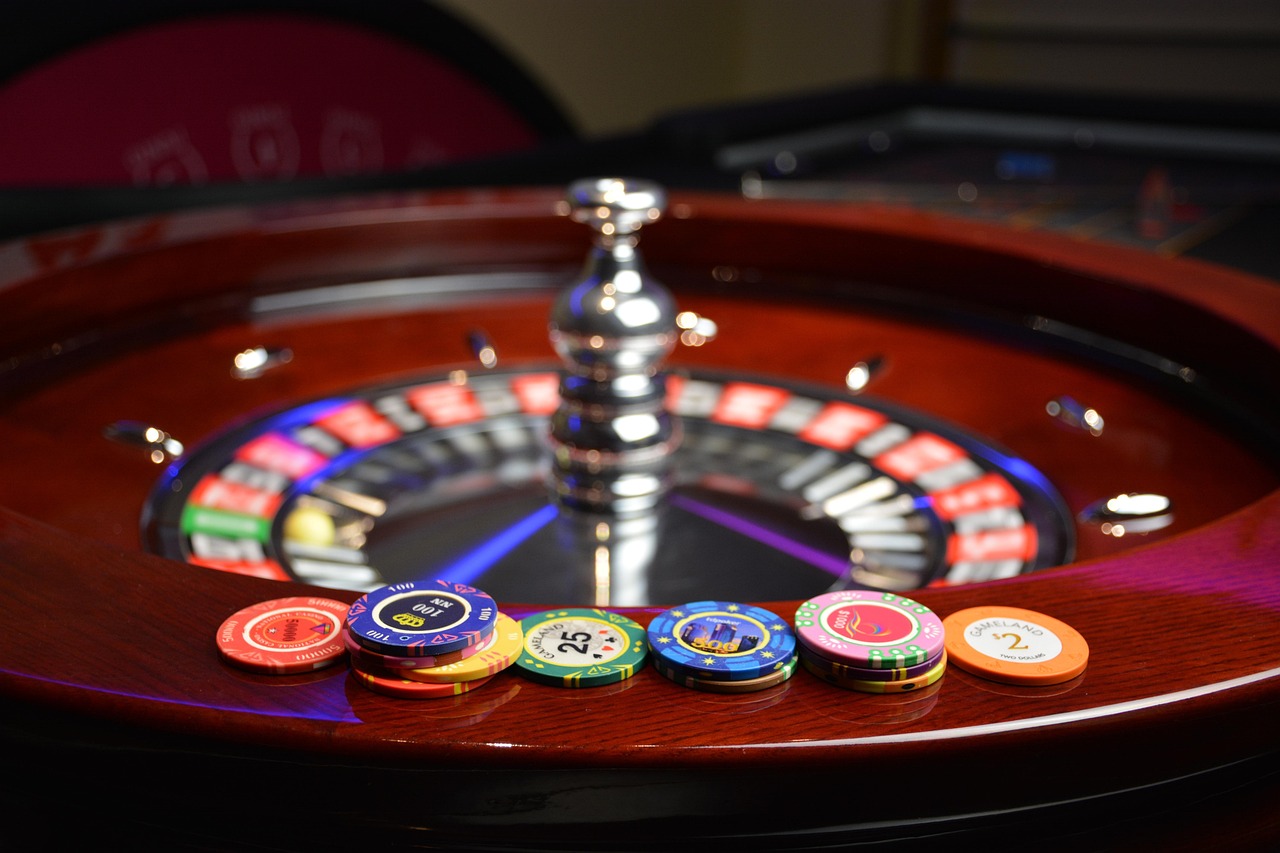
You’ve probably noticed how iGaming has exploded beyond the old stereotype of a smoky backroom with a single slot machine. Today it’s a trillion-dollar industry that includes everything from live dealer blackjack streamed from a studio in Malta to crypto-funded poker rooms where you can bluff an anonymous whale from halfway across the world. But with that growth comes a lot of noise. So let’s cut through it. This isn’t a hype piece or a “top 10 bonuses” list. It’s a practical, honest look at four pillars of iGaming—slots, poker, casino table games, and betting—and how to actually enjoy them without getting fleeced.
Slots: The Math Behind the Flashing Lights
Slots are the undeniable king of the casino floor, online and off. They’re easy to play, require zero strategy, and offer the dream of a life-changing jackpot for a few cents per spin. But that simplicity hides a brutal truth: slots have the highest house edge of almost any game you can play. A typical land-based slot might have an RTP (return to player) of 85–92%. Online slots often fare better, ranging from 94% to 97% on the best titles, but that still means the casino keeps a few cents of every dollar you wager—forever, in the long run.
What does that mean practically? If you play a slot with a 96% RTP, you’ll lose about $4 for every $100 you cycle through the machine. That doesn’t mean you can’t win in a session; variance is the whole point. But over thousands of spins, the math is relentless. So treat slots as entertainment, not an investment. Set a strict budget before you start—say $50—and when it’s gone, walk away. Chasing losses is the fastest way to turn a fun evening into a financial regret.
- Look for high RTP: Anything above 96% is solid. Avoid slots below 94% unless you’re playing purely for the theme.
- Understand volatility: Low volatility pays small amounts often; high volatility pays rare but huge. Match it to your bankroll and patience.
- Bonus buys are tempting but risky: Buying a free spins round for 100x your bet can cost a lot and often returns less than you paid.
Poker: The One Game Where Skill Can Beat the House
Poker is the black sheep of iGaming because you’re not playing against the casino—you’re playing against other people. The house just takes a rake (a small cut of each pot). That means a skilled player can actually have a positive expectation over time. But “skilled” is doing a lot of work there. The gap between a casual player and a winning regular is enormous.
If you’re new to online poker, start with micro-stakes cash games or low-buy-in tournaments. The competition is softer, and you can learn without losing your shirt. Focus on tight, aggressive play: fold more hands than you think you should, and bet strong when you have a good hand. Bluffing is fun, but at low stakes, most players call too much, so bluff less. As you move up, you’ll need to study range theory, pot odds, and position. Tools like solvers and trackers are standard at higher limits, but for beginners, a simple HUD (heads-up display) that shows opponent tendencies can be a game-changer. Those comparing choices often turn to สล็อตเว็บตรง.
One more thing: bankroll management is non-negotiable. A common rule is to have at least 20 buy-ins for cash games and 50–100 buy-ins for tournaments. If you break that rule, one bad run can wipe you out.
Table Games: Where Strategy Actually Matters
If you want the best odds in the casino, skip the slots and head to the tables. Blackjack, for example, can have a house edge as low as 0.5% if you play basic strategy perfectly. That’s a massive difference from the 4–8% edge on most slots. Baccarat is another favorite, with a house edge of just 1.06% on the banker bet. Roulette? European wheels have a 2.7% edge, while American wheels double that thanks to the extra double-zero pocket.
But here’s the catch: table games require discipline. Blackjack basic strategy is a chart that tells you exactly when to hit, stand, double, or split. Memorize it. It’s not gambling; it’s math. And never take insurance—it’s a sucker bet with a house edge of over 5%. For baccarat, always bet on the banker if you want the lowest edge, even though it feels counterintuitive. And for roulette, stick to European or French wheels; the difference in house edge is huge over time.
- Blackjack: Learn basic strategy, avoid side bets, and never play 6:5 payouts if you can find 3:2.
- Baccarat: Banker bet has a 1.06% house edge; player bet is 1.24%; tie bet is a whopping 14.4%.
- Roulette: European wheel (single zero) is always better than American (double zero).
Sports Betting: The Line Is Smarter Than You Think
Sports betting has exploded in the US and beyond, thanks to mobile apps and legalization. But the old saying holds: the bookmaker always wins. That’s because of the vig—the commission built into the odds. A standard point spread bet is -110 on both sides, meaning you risk $110 to win $100. That 10-cent line gives the sportsbook a 4.5% edge. Over time, that’s a tough hurdle.
To beat it, you need an edge. That could be deep knowledge of a niche sport, advanced statistical models, or simply exploiting bonuses and promotions. Arbitrage betting—betting both sides of a game at different books to guarantee a profit—is possible but risky if you get limited. Line shopping is essential: always compare odds across multiple sportsbooks because a half-point difference can turn a loss into a win. And if you’re a casual bettor, treat it like entertainment, not income. Set a monthly budget and stick to it.
Bankroll and Mindset: The Real Secret to Longevity
None of the above matters if you don’t manage your money and your emotions. The biggest mistake iGaming players make is playing with money they can’t afford to lose. That leads to desperation, which leads to terrible decisions. So before you deposit a single dollar, decide on a separate entertainment budget. Keep it in a separate account, and never top it up mid-session. If you lose it, that’s it until next month.
Also, take breaks. Set a timer. After 60 minutes, stand up and walk away, even if you’re winning. The house edge doesn’t care about your hot streak—it’s always working against you. And if you ever feel like you’re chasing losses or playing to escape stress, stop. Most reputable sites offer self-exclusion tools and deposit limits. Use them.
Finally, remember that iGaming is a form of entertainment, not a side hustle. The thrill of a big win is real, but so is the sting of a cold streak. Play for fun, play within your means, and you’ll actually enjoy the experience. That’s the only way to win in the long run—even if the math says otherwise.
LEAVE A COMMENT